
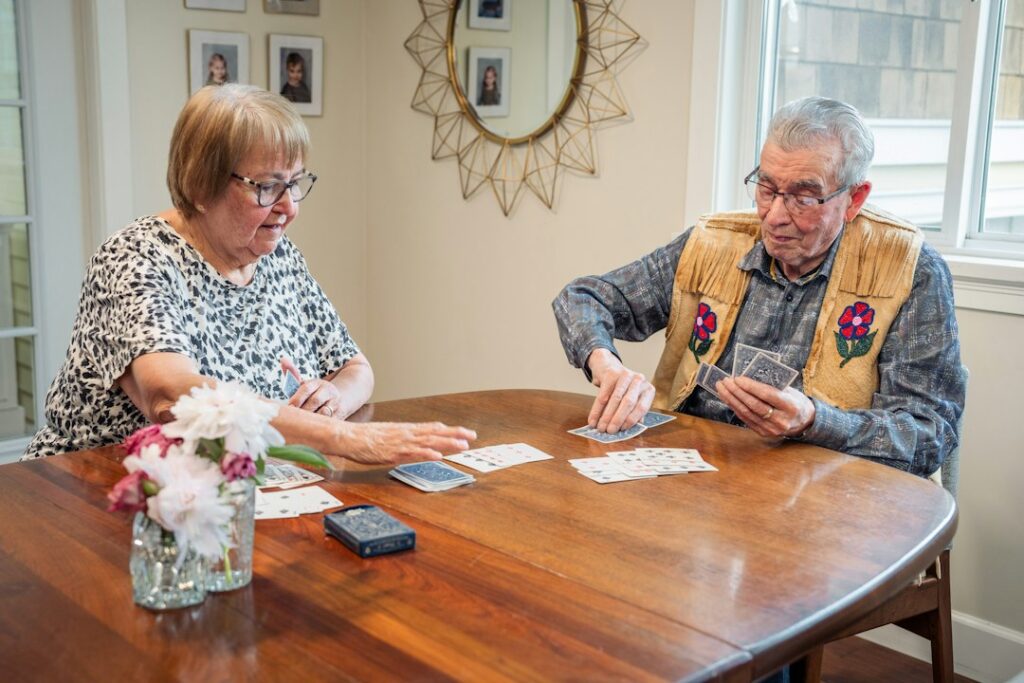
Why Games and Pastimes Matter in Assisted Living
Games and everyday pastimes can support social connection, mental stimulation, movement, confidence, and a sense of routine in assisted living. The most enjoyable activities are not necessarily complicated; they are familiar, adaptable, and welcoming to people with different abilities and interests.
Residents may enjoy activities alone, with a few neighbors, or in a larger group. A quiet puzzle, a card game after lunch, or a seasonal craft can provide structure without making the day feel overly scheduled.
What Games Are Most Popular?
The most popular games are usually easy to learn, flexible in length, and familiar across generations. Residents often appreciate activities that allow conversation while keeping the rules manageable.
Common choices include:
- Bingo, especially with large-print cards and clearly announced numbers
- Card games such as rummy, bridge, euchre, solitaire, or simple matching games
- Dominoes, checkers, chess, and other tabletop games
- Word games, trivia, crossword puzzles, and word searches
- Dice games that use large, easy-to-read dice
- Jigsaw puzzles with larger pieces and clear images
- Picture-based guessing games and reminiscence activities
- Adapted versions of familiar board games
Some residents prefer competitive play, while others enjoy cooperative games in which everyone works toward a shared goal. A relaxed atmosphere helps residents participate without feeling embarrassed about memory changes, slower movement, or unfamiliar rules.
Which Activities Work Well for Residents With Memory Loss?
Residents with memory loss often benefit from activities that emphasize enjoyment rather than winning. Familiar routines, repeated songs, sorting tasks, simple crafts, and conversation-based games may be more comfortable than games with many rules.
Useful adaptations include:
- Using one-step instructions
- Demonstrating the activity before beginning
- Offering picture clues instead of written directions
- Choosing games with short rounds
- Keeping the same activity at a regular time
- Allowing residents to watch before deciding whether to join
- Avoiding correction or criticism when an answer is incorrect
Reminiscence games can be especially engaging. A group might look at photographs of old household objects, identify familiar music, discuss past holidays, or share memories connected to cooking, farming, school, work, or family traditions. The purpose is conversation and connection, not testing memory.
Are Quiet Pastimes Just as Valuable as Group Activities?
Yes. Quiet activities can be just as meaningful as organized group programs. Some residents become tired in busy rooms or prefer hobbies that allow concentration and personal space.
Popular individual pastimes include reading, listening to music, knitting, crocheting, drawing, coloring, journaling, model building, and arranging photographs. Large-print books, magnifying tools, comfortable lighting, and supportive seating can make these activities easier to continue.
Residents who are more comfortable alone should not be pressured to join every group program. A healthy activity schedule includes opportunities for social participation as well as peaceful time.
How Can Activities Be Adapted for Vision, Hearing, or Mobility Changes?
Small changes often make familiar games more accessible. The activity itself may not need to change; the materials, seating, pace, or instructions may need adjustment.
For vision changes, helpful options include:
- Large-print cards and game boards
- High-contrast pieces
- Bright, even lighting without glare
- Large lettering on labels and score sheets
- Tactile markers or raised game pieces

For hearing changes, participants may benefit from quiet rooms, face-to-face instructions, written reminders, and reduced background noise. The person leading the activity should speak clearly, avoid covering the mouth, and pause often enough for everyone to follow.
For mobility changes, tables should provide enough legroom, and materials should be placed within comfortable reach. Some games can be played from a wheelchair or supportive chair. Activities such as balloon volleyball, seated bowling, or gentle rhythm exercises can provide movement without requiring standing.
Adaptations should preserve dignity. A resident should be offered choices rather than singled out as needing special treatment.
What Seasonal Pastimes Fit Life in Sayre, PA?
Seasonal activities can reflect the changing weather and household traditions familiar to local residents. During colder months, indoor games, crafts, baking discussions, music programs, and family-history projects may be especially appealing. Short winter days can also make daytime social programs useful for maintaining routine and connection.
In spring and summer, residents may enjoy container gardening, porch conversations, nature observation, flower arranging, and outdoor games when conditions are comfortable. Warm-weather activities should include shade, water, rest periods, and an easy way to return indoors.
Autumn can inspire leaf-color art, harvest-themed games, cooking memories, and storytelling about school days or family gatherings. Seasonal themes do not need to be elaborate. Familiar objects, songs, colors, and foods can provide enough material for an enjoyable activity.
How Often Should Residents Participate?
There is no single correct schedule. Some residents enjoy activities every day, while others prefer a few programs each week. Energy, health, sleep patterns, appointments, and personal preference all affect participation.
Short activities may work better than long sessions. A 20-minute card game, for example, may be more successful than a program that lasts an hour. It is also helpful to offer activities at different times of day because residents do not all feel most alert in the morning.
Participation should remain voluntary. A resident may join for only part of an activity, help deal cards, listen to music, or sit nearby and observe. These forms of involvement still support belonging.
What Makes an Activity Feel Welcoming?
A welcoming activity gives residents several ways to take part and does not assume that everyone has the same background or ability. Clear instructions, a friendly pace, comfortable seating, and patience matter more than expensive supplies.
Activities are often more successful when they:
- Begin with a simple explanation
- Use familiar materials
- Allow conversation without forcing it
- Include both skilled and beginner participants
- Avoid putting individuals on the spot
- Offer a quieter alternative nearby
- End before people become overly tired
Family members can also contribute ideas by sharing a resident’s favorite songs, hobbies, games, recipes, or past interests. Personal history can help activity leaders offer choices that feel familiar rather than generic.
Can Pastimes Help Residents Build Friendships?
Yes. Shared activities create natural opportunities for conversation, especially for residents who may feel uncertain in a new setting. A regular card table, puzzle group, walking conversation, or music hour can help people recognize one another and develop comfortable routines.
Friendships do not always begin with a long conversation. They may start with passing a game piece, sharing a joke, comparing puzzle strategies, or sitting beside the same person during a familiar program. Consistency helps these small interactions grow over time.
The most useful activity program is not the one with the longest calendar. It is the one that gives residents meaningful choices, respects different energy levels, and makes room for enjoyment, independence, and connection.
